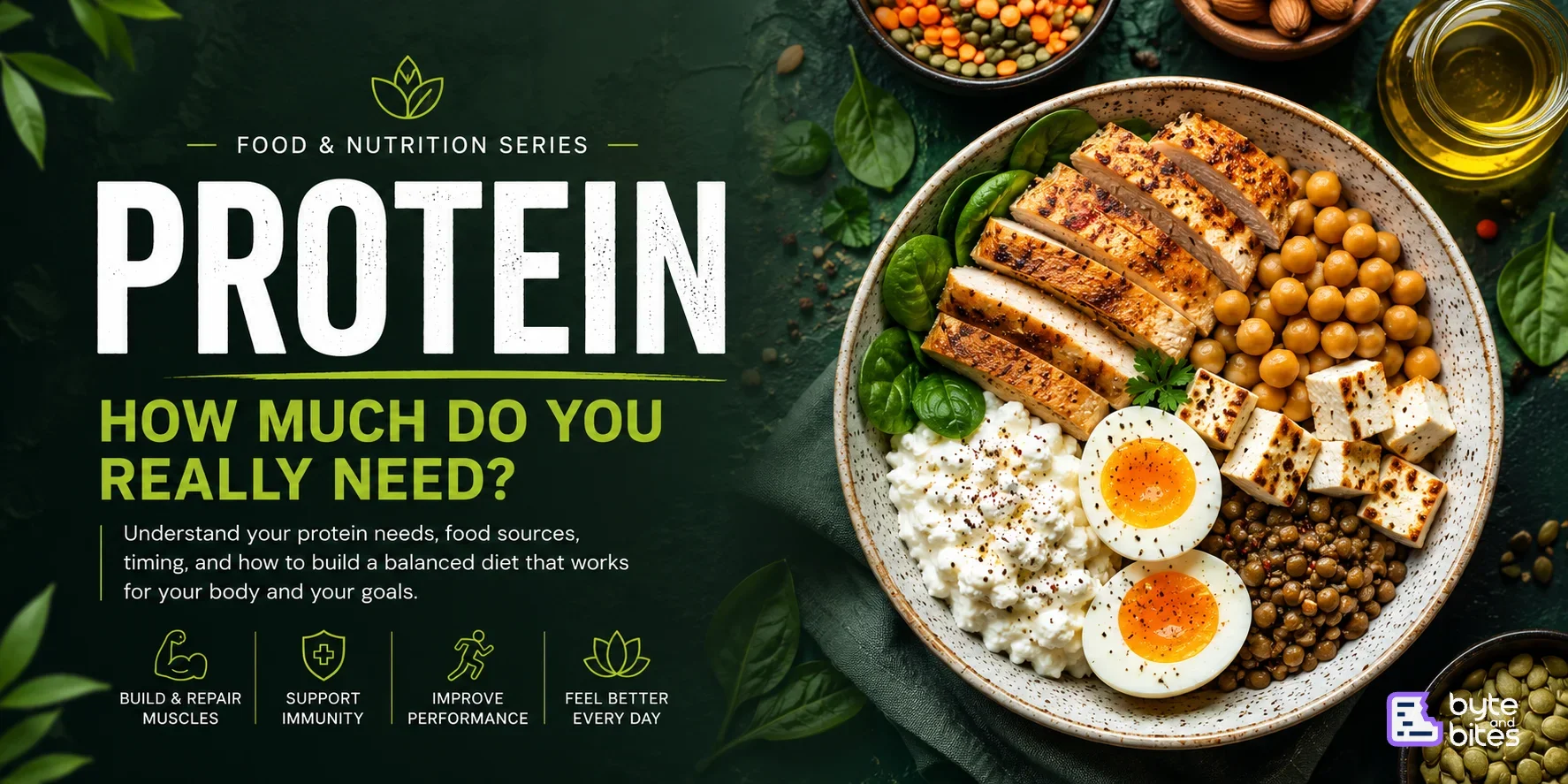
Protein has officially become the internet's favorite nutrient.
Want to lose weight? Eat more protein.
Want to build muscle? Eat more protein.
Feeling hungry? More protein.
And before you know it, you're eating chicken for breakfast, lunch, and dinner while washing it down with a protein shake.
But here's the question nobody asks enough:
What happens when you eat more protein than you actually need?
The answer is more interesting than "your kidneys will explode" or "you'll build unlimited muscle."
Neither is true.
First, What Counts as "Too Much"?
There isn't a single number that suddenly turns protein from healthy to harmful.
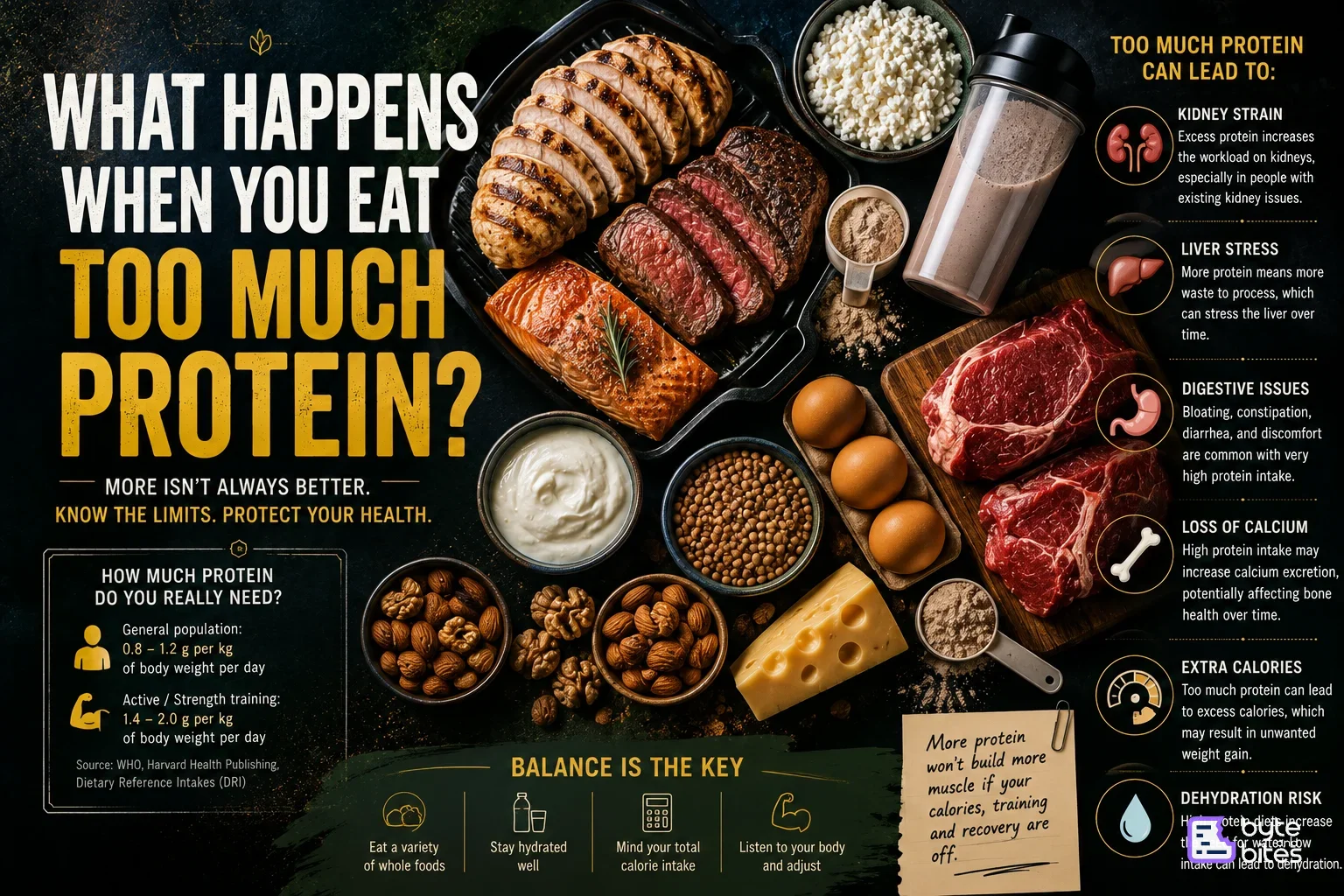
For a generally healthy adult, the basic protein recommendation is around 0.8 g per kg of body weight per day. People who exercise regularly often need more. The International Society of Sports Nutrition suggests around 1.4 to 2.0 g/kg/day for most exercising individuals.
For example, a 70 kg person who regularly strength trains might reasonably aim somewhere around 100 to 140 grams per day.
That doesn't mean 150 or 180 grams automatically becomes dangerous.
The problem is that there is a point where more protein stops providing much additional benefit.
Your Body Doesn't Store Protein Like It Stores Fat
Your body has systems for storing excess energy as fat and glycogen.
It doesn't have a special protein storage tank.
When you eat protein, your body uses the amino acids for things such as building and repairing tissues. Once those needs are met, excess amino acids can be broken down and used for energy or other metabolic processes.
The nitrogen portion has to be removed and eventually excreted, primarily through the kidneys.
So eating more protein doesn't mean your body simply stores all of it as extra muscle.
More protein is not the same thing as more muscle.
Muscle growth also requires appropriate resistance training, enough total energy, recovery, and other nutrients.

So, Does Too Much Protein Damage Your Kidneys?
This is probably the biggest protein myth.
If you have healthy kidneys, current evidence does not show that protein intakes within commonly recommended high-protein ranges for active people damage kidney function.
A systematic review of studies in healthy adults found that higher protein intake had little or no adverse effect on markers of kidney function, although the researchers also noted that long-term evidence is limited.
Another meta-analysis found no significant difference in kidney function between healthy adults consuming higher and lower protein diets.
So the statement:
"High protein automatically destroys your kidneys."
is not supported by the evidence for healthy people.
But there is an important exception.
If you already have chronic kidney disease or impaired kidney function, protein intake may need to be restricted or carefully adjusted. The appropriate amount depends on your condition and treatment.
National Kidney Foundation
That's why a protein target that works for your gym buddy may not be appropriate for someone with kidney disease.
The More Realistic Problem: Your Diet Gets Worse
This is where excessive protein can become a problem. Imagine you decide you need 180 grams of protein every day. To hit that number, you start replacing rice, vegetables, fruit, whole grains, and other foods with protein shakes, chicken, eggs, cheese, and protein bars.
You may technically hit your protein target.
But you could also end up eating less fiber and fewer fruits, vegetables, and whole grains.
And that's not a great trade.
A healthy diet isn't just about hitting one macro.
Your body needs protein, but it also needs fiber, carbohydrates, healthy fats, vitamins, minerals, and enough overall energy.
Protein Can Also Mean Extra Calories
Here's another thing that gets overlooked.
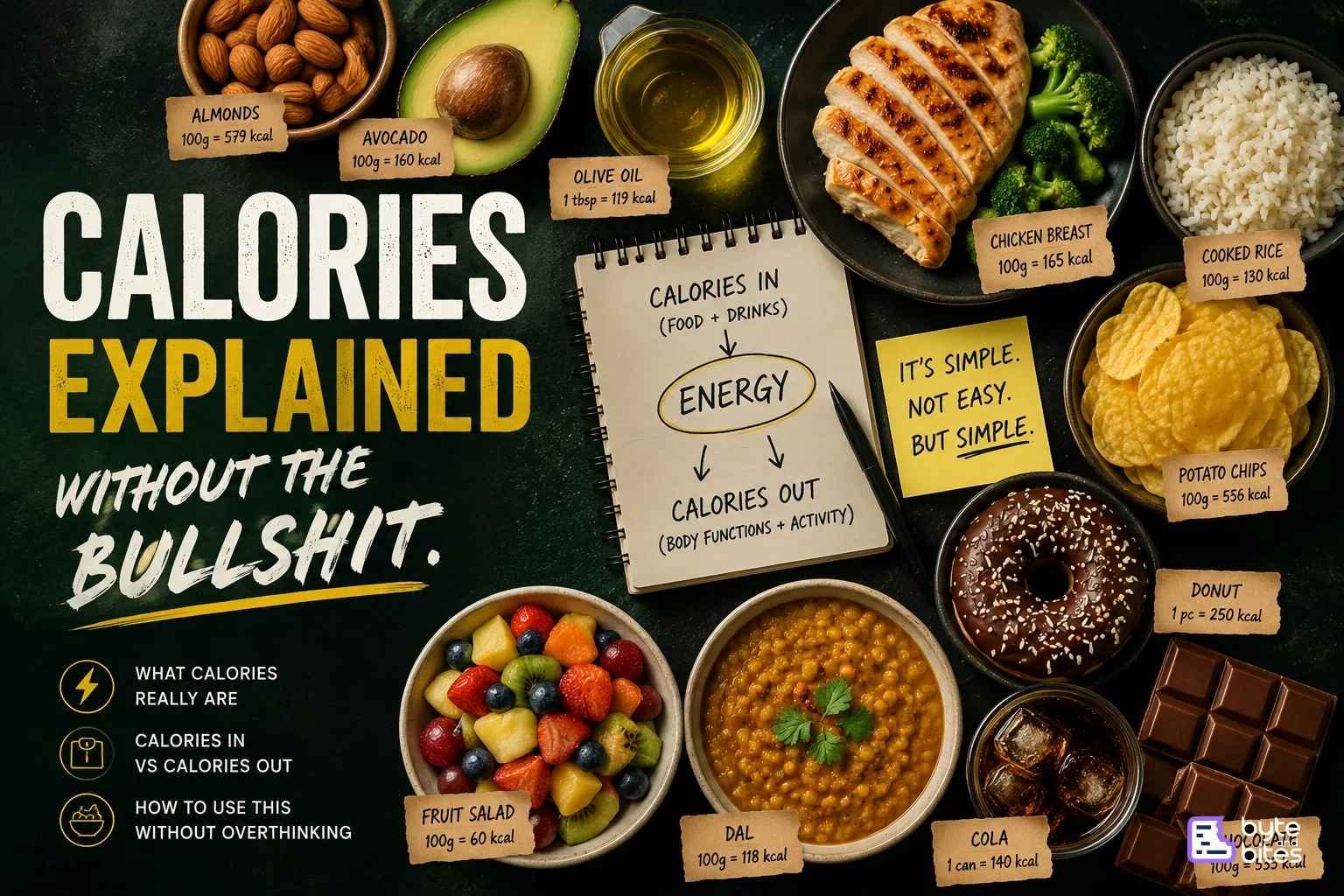
Protein contains calories too. Each gram of protein provides about 4 calories.
So if you keep adding protein on top of your normal diet without reducing anything else, you're adding more energy.
For example, an extra 50 grams of protein means roughly 200 additional calories.
That's not automatically a problem.
But if you're trying to lose weight, consistently adding hundreds of calories through shakes, bars, cheese, nuts, or large portions of meat can make maintaining a calorie deficit much harder.
Protein can help with fullness, but it isn't calorie-free.

What About Digestion?
Suddenly increasing protein intake can also upset your stomach.
Some people experience bloating, constipation, diarrhea, or general digestive discomfort when they dramatically increase protein, particularly when the diet becomes heavy in protein supplements and low in fiber-rich foods.
Often, the problem isn't protein itself.
It's the overall diet.
If your high-protein diet contains plenty of vegetables, fruits, legumes, whole grains, and adequate fluids, you're much more likely to maintain a balanced intake.
Is There a "Maximum" Amount?
There isn't a scientifically established single maximum protein intake that applies to every healthy adult.
This is important because you'll often see dramatic numbers online claiming that anything above a particular amount is dangerous.
The evidence doesn't support such a simple cutoff.
Research in exercising individuals has found that even considerably higher protein intakes have not shown clear harm to kidney or liver markers in the relatively short studies available. However, that doesn't mean extremely high protein intake is necessary or proven beneficial long term.
In other words:
"Probably safe" doesn't mean "you should do it."
If 1.6 g/kg is enough to support your goal, eating 3 g/kg simply because you can isn't necessarily buying you anything.
So, How Much Is Enough?
For most people, a sensible target is much less dramatic than social media makes it sound.
A generally healthy adult can start around 0.8 g/kg/day.
If you're regularly exercising, around 1.2 to 1.6 g/kg/day can be a practical range.
For regular strength training, 1.4 to 2.0 g/kg/day is commonly recommended for most exercising individuals. ISSN Position Stand
You don't need to chase the highest number.

The Simple Takeaway
Protein is essential.
More protein can be useful when you're trying to build or maintain muscle, particularly if you're training regularly.
But once you've reached an amount that meets your needs, more isn't automatically better.
For healthy people, commonly recommended high-protein diets have not been shown to damage normal kidney function in the available research. But people with kidney disease may need a very different approach.
The bigger risk of going overboard is often much simpler: you're spending too much attention, money, calories, and plate space on one nutrient while pushing out other foods your body needs.
So instead of asking:
"How much protein can I possibly eat?"
Ask:
"How much protein do I actually need?"
That's a much better question.
And once you've answered it, you can stop chasing the number and get back to eating an actual meal.
Disclaimer: This article is for general educational purposes and is not medical advice. Protein needs vary depending on body size, age, activity, overall diet, and health. People with kidney disease or other medical conditions should discuss their protein intake with a qualified healthcare professional or dietitian.