For years, fat was treated as something we should avoid.
Low-fat products filled supermarket shelves, butter was considered a dietary enemy, and many people believed that eating fat would automatically make them gain weight.
Today, we know the story is more complicated.
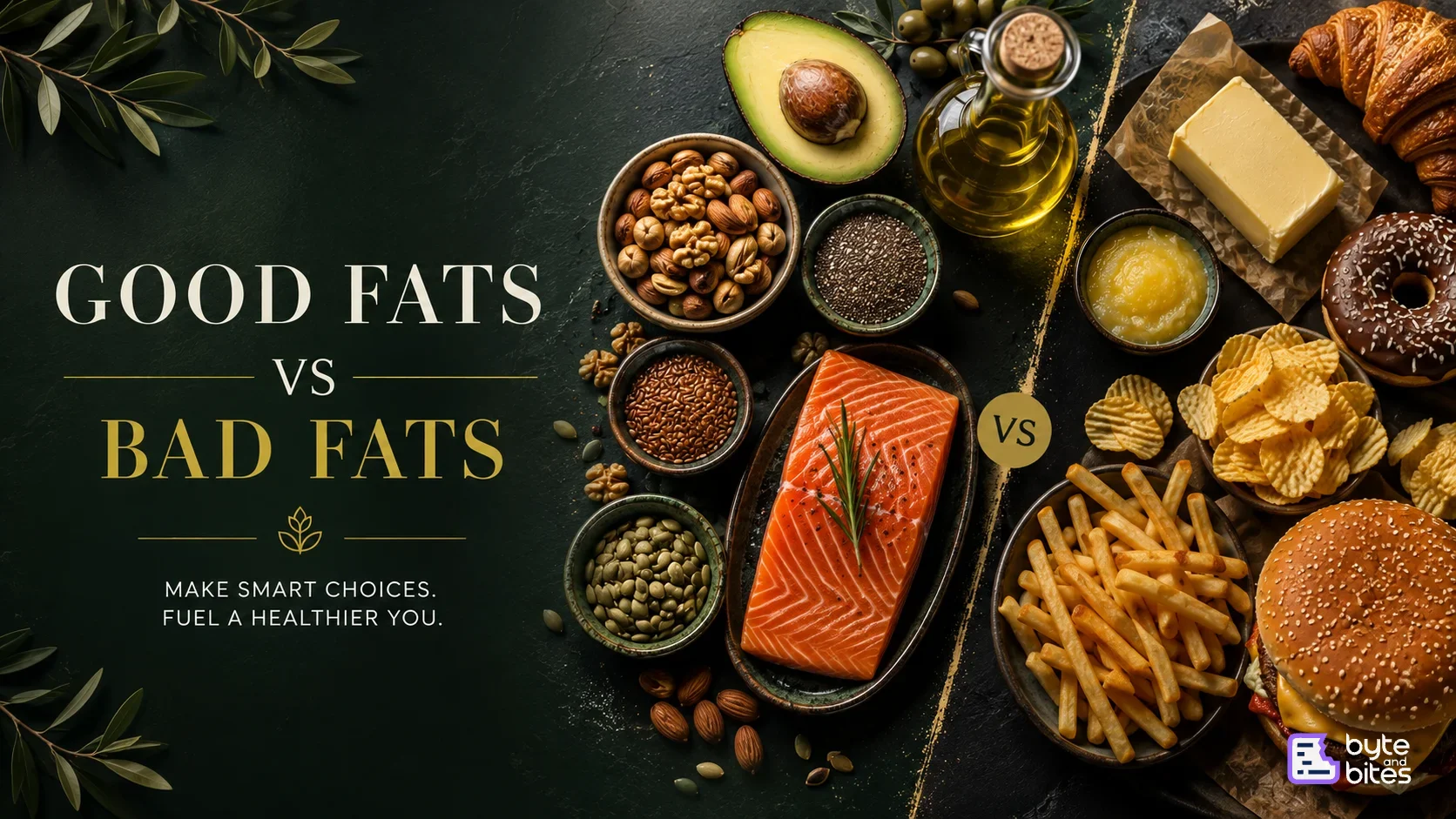
Fat is an essential part of a healthy diet. But not all fats are equal.
Some fats can support heart health and provide important nutrients, while others are better consumed in limited amounts.
So what exactly is the difference?
Why Does Your Body Need Fat?
Fat is one of the three main macronutrients, along with protein and carbohydrates.
Your body uses fat for energy, cell structure, and several important biological processes. Fat also helps your body absorb vitamins A, D, E, and K.
Some fatty acids are essential because your body cannot produce them in sufficient amounts. You need to get them through food.
The goal, therefore, isn't to remove fat from your diet.
It is to choose better sources and consume them in reasonable amounts. WHO Healthy Diet
The Three Types of Fat
Dietary fat is generally divided into three main categories:
- Unsaturated fats
- Saturated fats
- Trans fats
The biggest difference between them is how they affect your health and where they are commonly found.
Unsaturated Fats: The Ones to Choose More Often
Unsaturated fats are generally considered the healthier types of dietary fat.
They include monounsaturated and polyunsaturated fats.
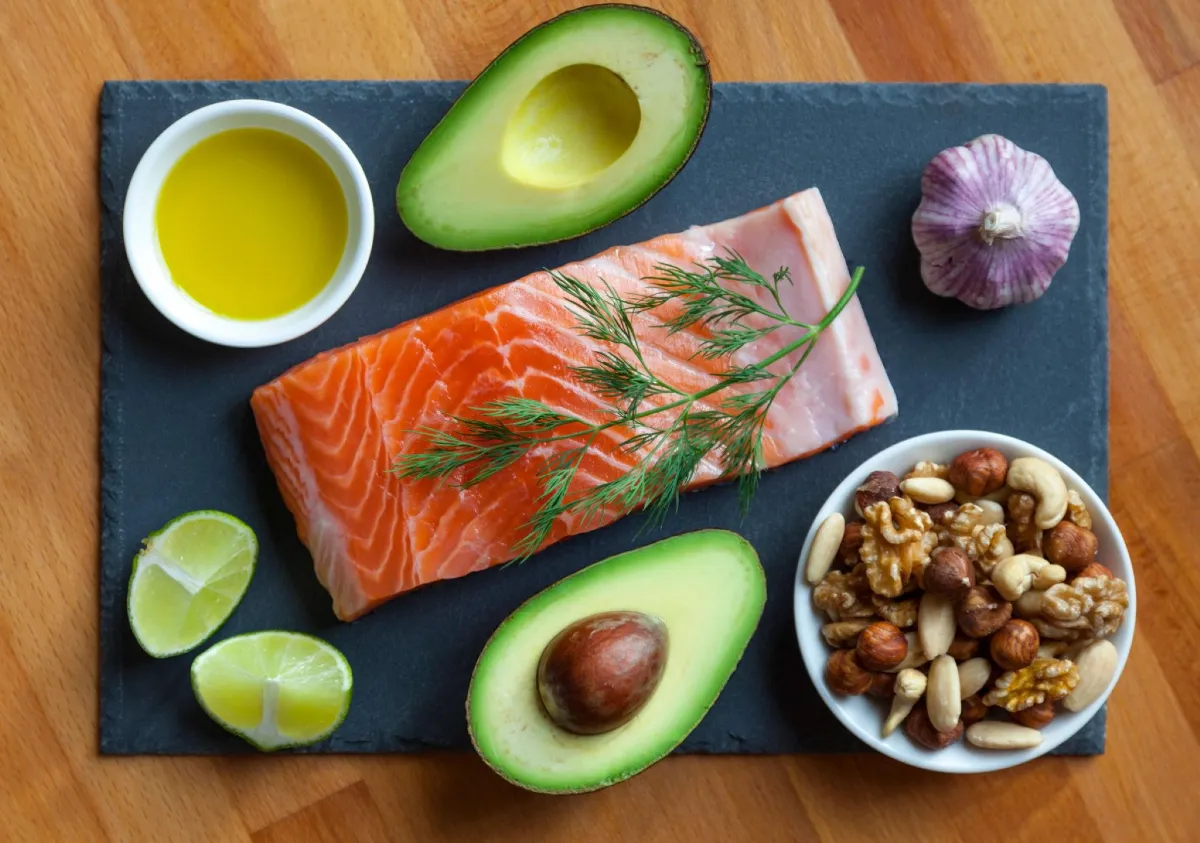
Good sources include:
- Nuts and seeds
- Avocado
- Olive oil
- Peanut oil
- Soybean oil
- Sunflower oil
- Fatty fish
Omega-3 fatty acids are a particularly important type of polyunsaturated fat. They are found in foods such as fatty fish, flax seeds, chia seeds, and walnuts.
Replacing saturated fats with unsaturated fats can help improve cholesterol levels and reduce cardiovascular risk. Harvard Nutrition Source American Heart Association
The important word here is replace.
Simply adding more healthy fat to your existing diet doesn't automatically make your diet healthier.
Saturated Fat: Limit, Don't Fear
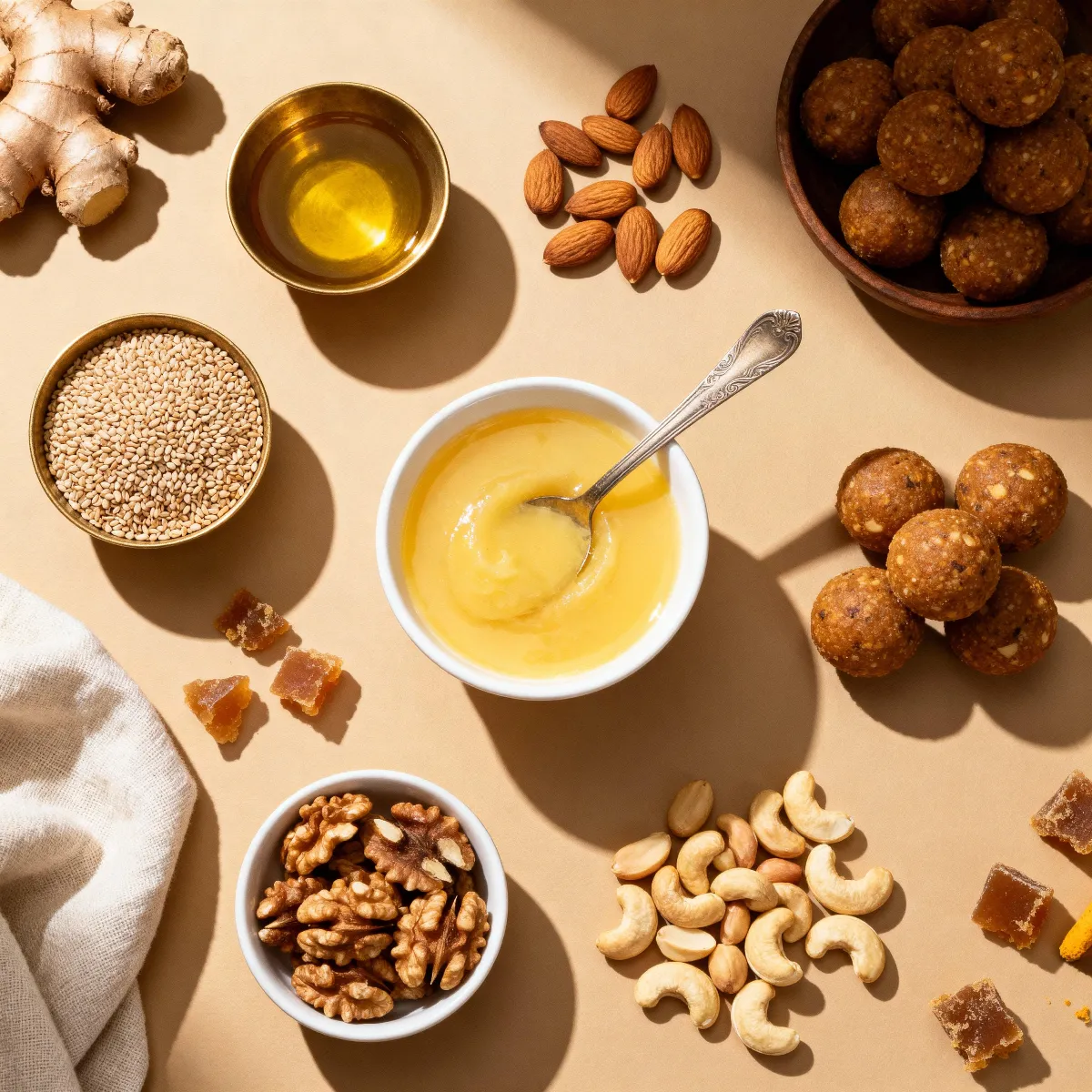
Saturated fats occur naturally in many foods, including:
- Butter
- Ghee
- Cheese
- Full-fat dairy
- Fatty meat
- Coconut oil
- Palm oil
Eating too much saturated fat can raise LDL cholesterol, which is associated with a higher risk of cardiovascular disease. American Heart Association
That doesn't mean you need to completely eliminate butter or ghee.
It means they are better treated as foods to use in moderation, rather than your primary sources of dietary fat.
The WHO recommends keeping saturated fat below 10% of total daily energy intake. WHO Healthy Diet
What About Ghee?
This is an especially relevant question in India.
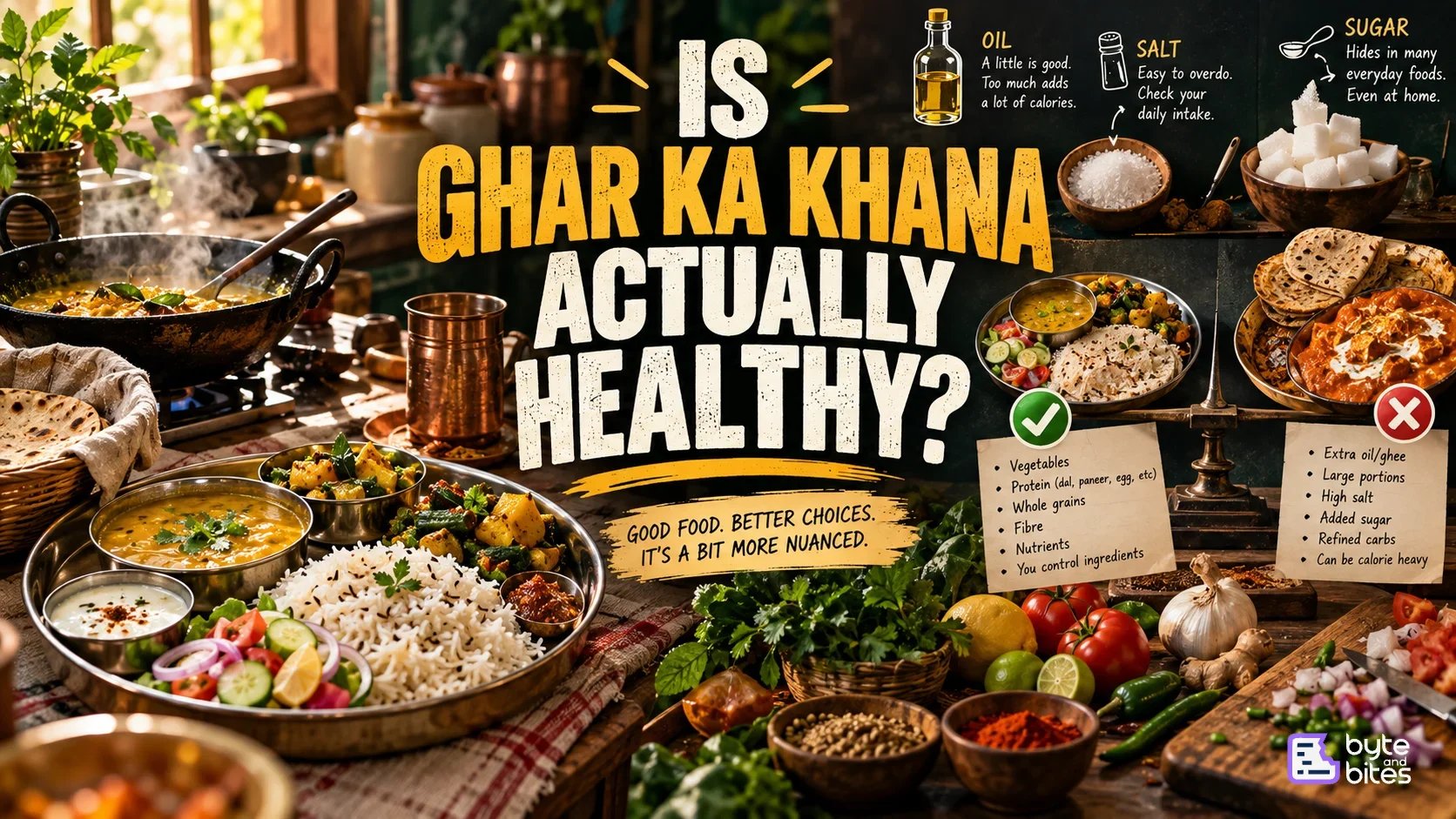
Ghee has been part of Indian cooking for generations. It also happens to be high in saturated fat.
So is ghee healthy or unhealthy?
The answer is more nuanced than either label.
A small amount of ghee used in a balanced meal is very different from consuming large quantities every day alongside butter, cheese, fried foods, and other sources of saturated fat.
Instead of asking:
"Is ghee good or bad?"
Ask:
"How much saturated fat am I getting from my overall diet?"
That is a much more useful question.
Trans Fats: The Ones to Avoid
Trans fats are the type of fat you should be most careful about.
Industrial trans fats were commonly used in processed foods because they improve texture and shelf life.
They can be found in some packaged snacks, baked goods, fried foods, and products made using partially hydrogenated oils.
Trans fats can increase LDL cholesterol and lower HDL cholesterol, increasing the risk of heart disease. WHO Trans Fat
The WHO recommends keeping trans fat intake extremely low and eliminating industrially produced trans fats where possible.
When checking packaged food labels, look for terms such as "partially hydrogenated oil."
What About Nuts and Seeds?
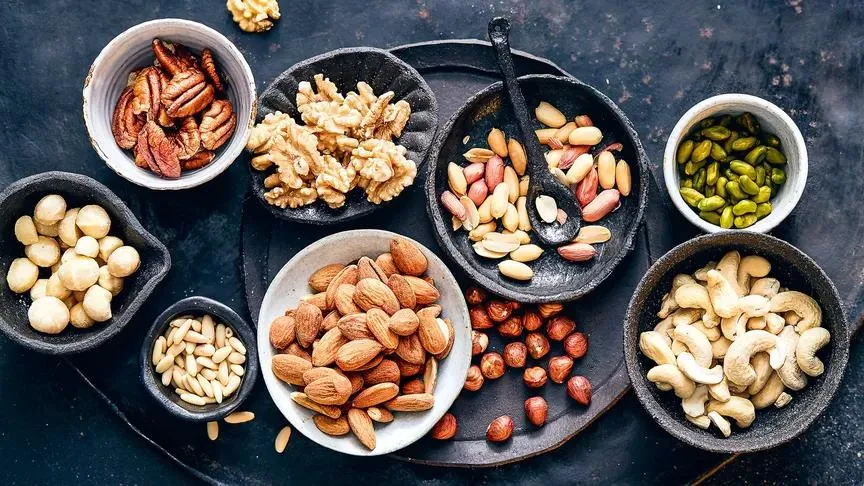
Nuts and seeds are excellent examples of foods that contain healthy fats along with other useful nutrients.
Almonds, walnuts, peanuts, chia seeds, flax seeds, pumpkin seeds, and sunflower seeds provide combinations of unsaturated fats, protein, fiber, vitamins, and minerals.
But there is one important point:
Healthy fats are still high in calories.
A handful of nuts can be a nutritious snack. Eating several large handfuls every day can add a lot of calories.
Healthy doesn't mean unlimited.
Which Cooking Oil Should You Use?
There is no single cooking oil that everyone needs to use.
For everyday cooking, oils higher in unsaturated fats are generally a better choice than fats high in saturated fat.
Options include:
- Peanut oil
- Sunflower oil
- Soybean oil
- Rice bran oil
- Canola oil
- Olive oil
The American Heart Association recommends replacing solid fats and foods high in saturated fat with liquid plant oils that contain more unsaturated fat.
But remember, the quantity matters too.
Even a healthier oil can contribute a significant amount of calories if used excessively.
The Bigger Picture
Nutrition becomes confusing when we try to label individual foods as simply "good" or "bad."
Consider a meal containing dal, vegetables, rice, curd, and a small amount of oil.
Now compare it with a meal consisting mainly of deep-fried snacks and sugary drinks.
Both contain fat, but their overall nutritional value is very different.
A healthy diet is about the overall pattern, not one ingredient.
Choose more vegetables, fruits, whole grains, legumes, nuts, seeds, and minimally processed foods. Limit foods high in trans fats, excess saturated fat, added sugar, and sodium. WHO Healthy Diet
The Simple Takeaway
You don't need to avoid fat.
Instead:
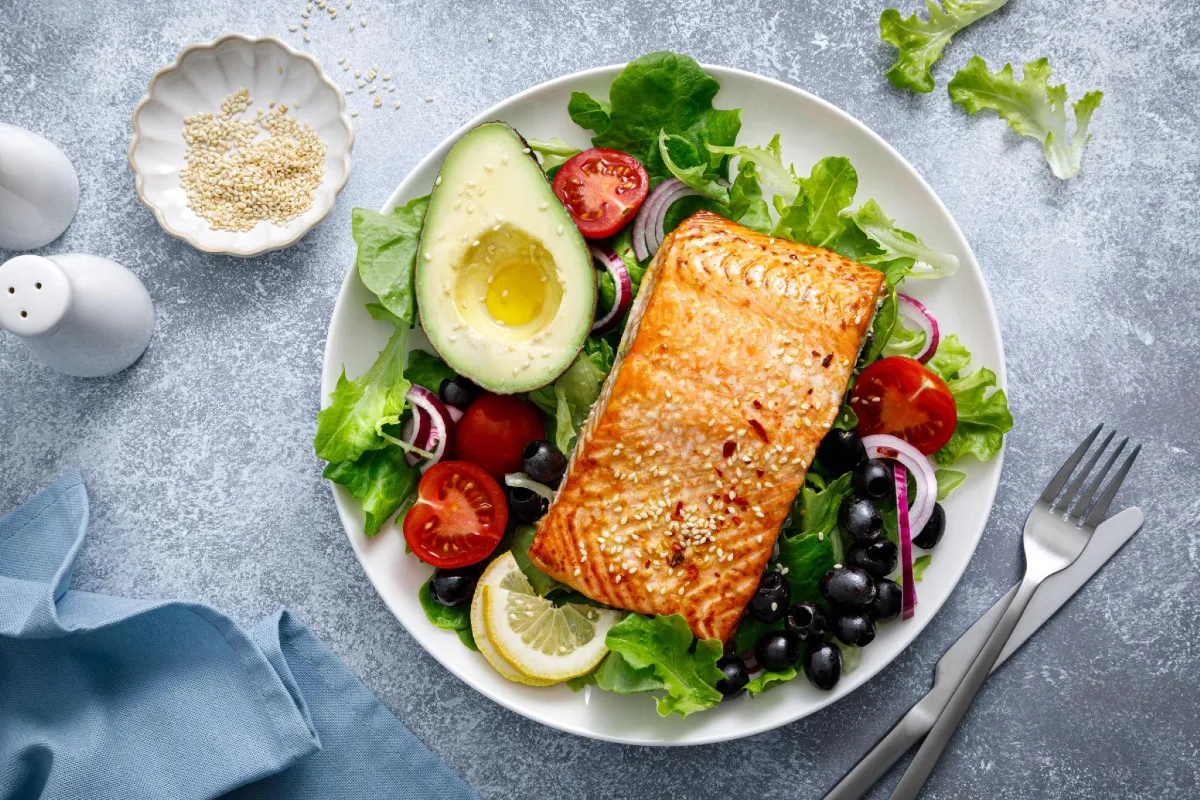
Choose more often:
Nuts, seeds, fish, avocado, and unsaturated plant oils.
Limit:
Butter, ghee, fatty meats, and other foods high in saturated fat.
Avoid as much as possible:
Industrial trans fats and foods containing partially hydrogenated oils.
And remember the most important principle:
Replace, don't simply add.
Replacing some butter with an unsaturated cooking oil can be useful. Replacing highly processed snacks with nuts can be useful. But adding these foods on top of your existing diet without considering portions may simply increase your calorie intake.
Fat isn't the enemy.
The better approach is to understand the different types, choose healthier sources more often, and keep your overall diet balanced.
References & Further Reading
Disclaimer: This article is for general educational purposes and is not medical advice. Individual dietary needs can vary based on health conditions, medications, age, activity level, and other factors.