Alcohol is one of those things that can feel very different depending on the situation.
A drink at dinner might make you feel relaxed. A few drinks at a party might make you louder and more confident. A night of heavy drinking can leave you with a headache, poor sleep, and a serious regret about that last round.
But what is actually happening inside your body?
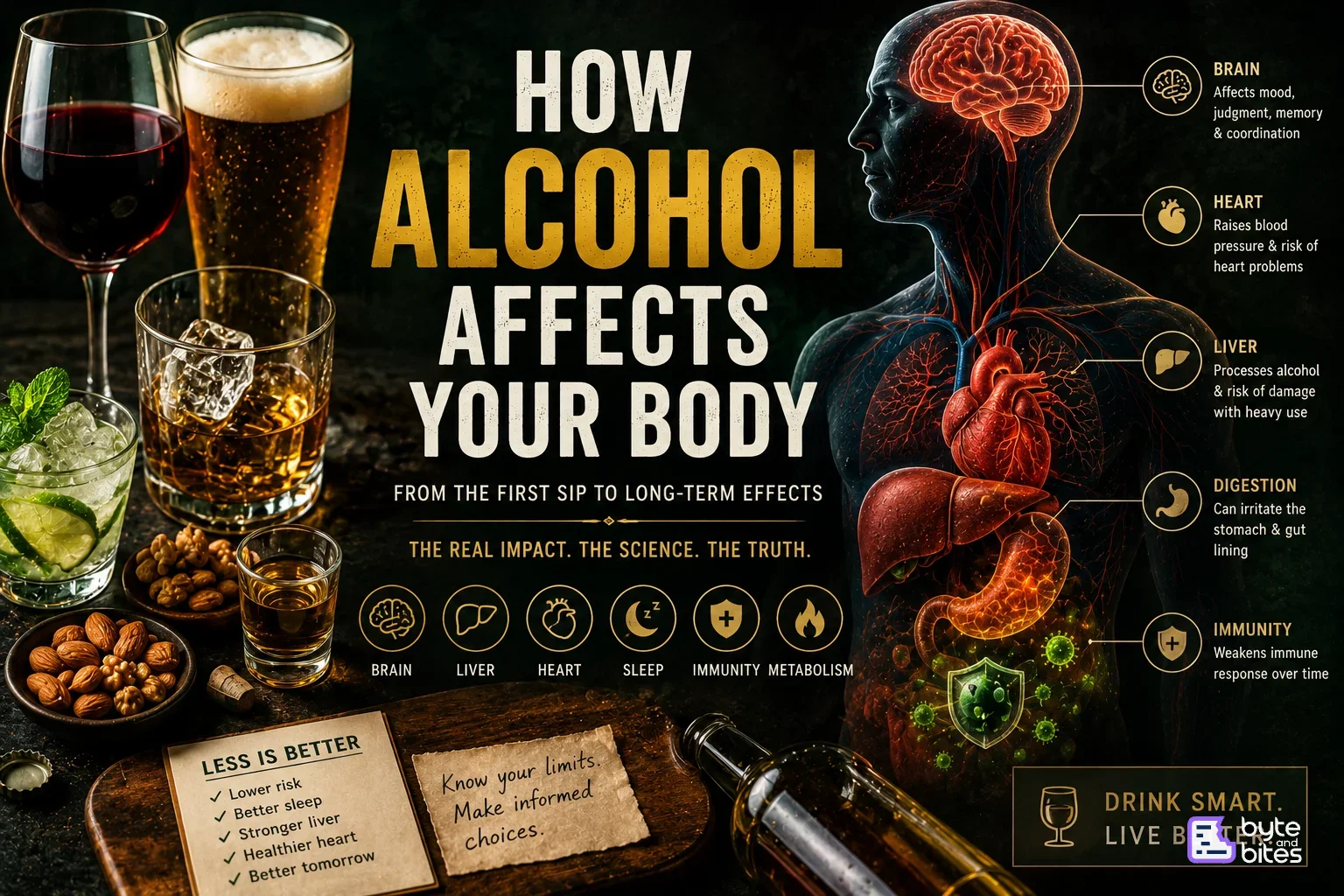
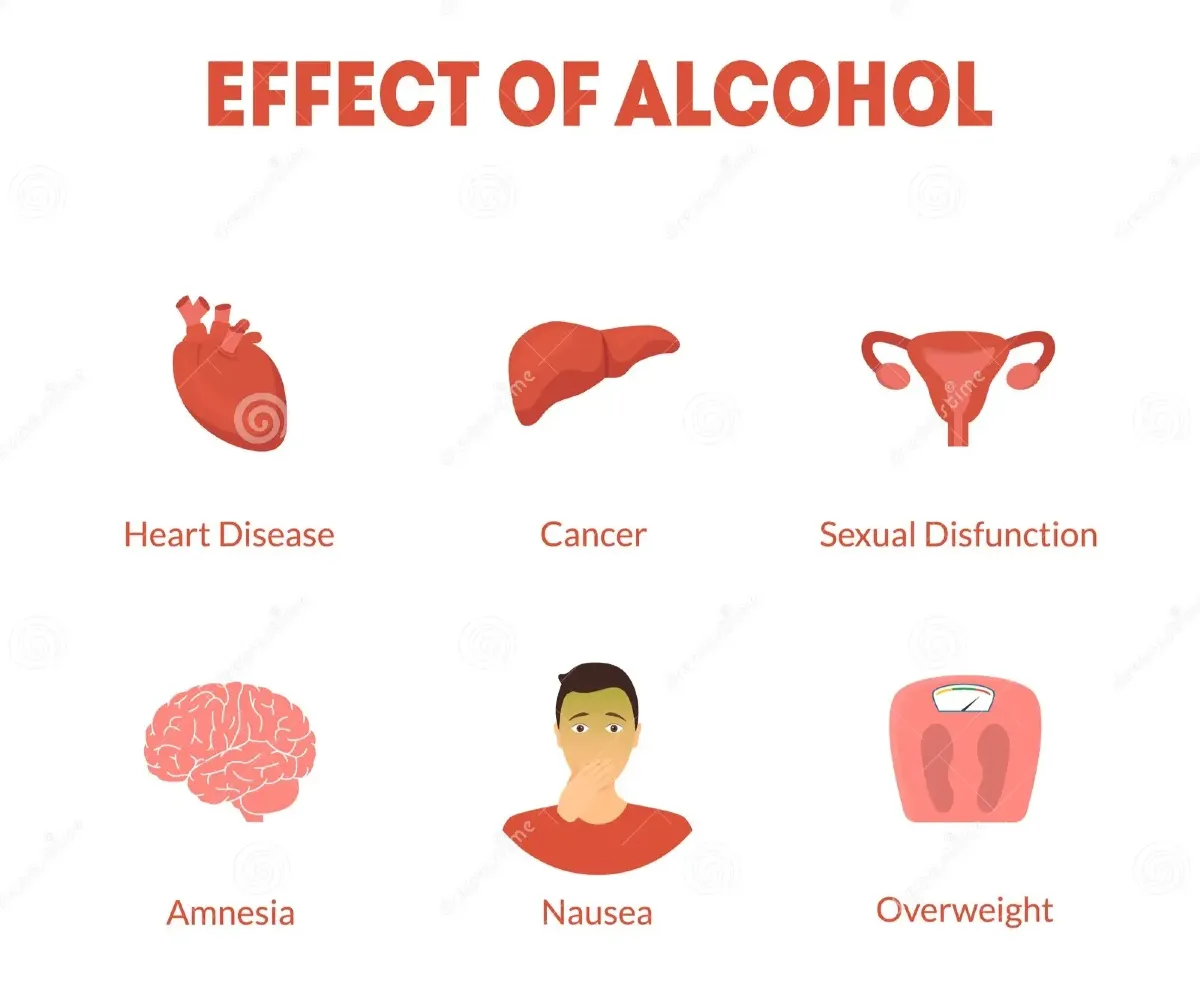
Alcohol does not just affect your liver. It interacts with your brain, heart, digestive system, immune system, hormones, and metabolism.
And some of those effects happen much sooner than you might think.
What Happens After Your First Drink?
The alcohol in beer, wine, and spirits is called ethanol.
After you drink it, alcohol is absorbed through your stomach and intestines into your bloodstream. From there, it travels throughout your body, including to your brain.
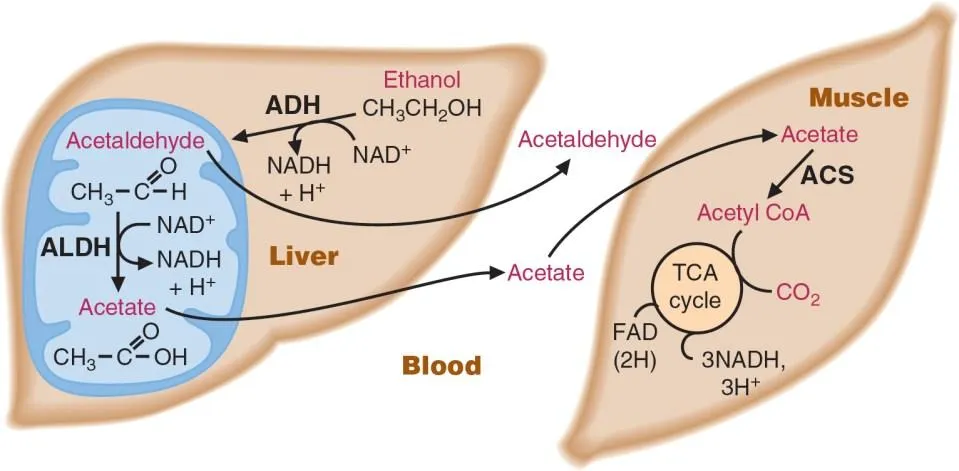
Your body starts breaking it down almost immediately, mainly through the liver.
The liver converts alcohol into a substance called acetaldehyde, which is toxic and carcinogenic. It is then converted into acetate, which the body can process further. NIAAA, Alcohol Metabolism
This is one reason alcohol is different from many foods and drinks.
Your body has to treat ethanol as something that needs to be processed and removed.
Why Does Alcohol Make You Feel Drunk?
Alcohol affects communication between brain cells.
As alcohol levels rise, it can affect areas involved in judgment, coordination, memory, speech, and balance. This is why you may feel more relaxed initially but become less coordinated and less able to make good decisions as you drink more. NIAAA, Alcohol and the Brain
That feeling of confidence after a few drinks can therefore be misleading.
Your brain isn't necessarily making better decisions.
It is simply becoming less inhibited.
With heavier drinking, memory blackouts, loss of coordination, vomiting, and potentially life-threatening alcohol poisoning can occur. CDC, Alcohol Use and Your Health
Your Liver Does Most of the Cleanup
The liver plays a major role in processing alcohol.
But it has limits.
Regular heavy drinking can cause a progression of liver problems, including fatty liver, inflammation, fibrosis, cirrhosis, and liver cancer. NIAAA, Alcohol's Effects on the Body
And here's an important misconception:
Coffee cannot make your liver process alcohol faster.
Neither can a cold shower, exercise, or drinking lots of water.
These things might change how you feel, but they don't suddenly make the alcohol disappear. Your body needs time to metabolize it.
What About Your Heart?
The idea that "a little alcohol is good for your heart" has been around for years.
But newer evidence has challenged this idea.
Alcohol consumption is associated with cardiovascular risks, including high blood pressure, irregular heart rhythms, stroke, and other heart problems. NIAAA, Alcohol's Effects on the Body
The CDC also notes that even moderate drinking may carry higher health risks compared with not drinking.
So alcohol shouldn't be viewed as something you need to start drinking for health benefits.
And Then There Is Sleep
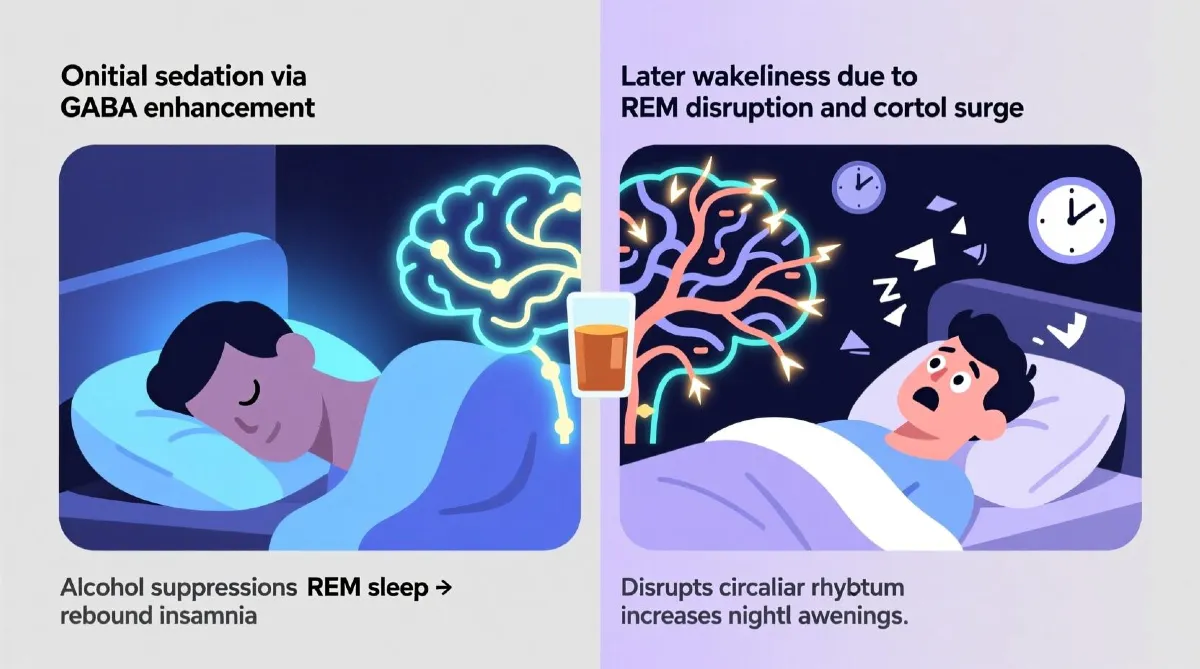
You might think alcohol helps you sleep because it can make you feel drowsy.
But falling asleep quickly isn't the same as getting good-quality sleep.
Alcohol can disrupt normal sleep patterns and lead to poorer sleep quality later in the night.
That can leave you feeling tired the next morning even if you technically spent enough hours in bed.
So if your weekend routine is:
Drinks
→
fall asleep quickly
→
wake up exhausted
the alcohol may be part of the problem.
Alcohol Also Contains Calories
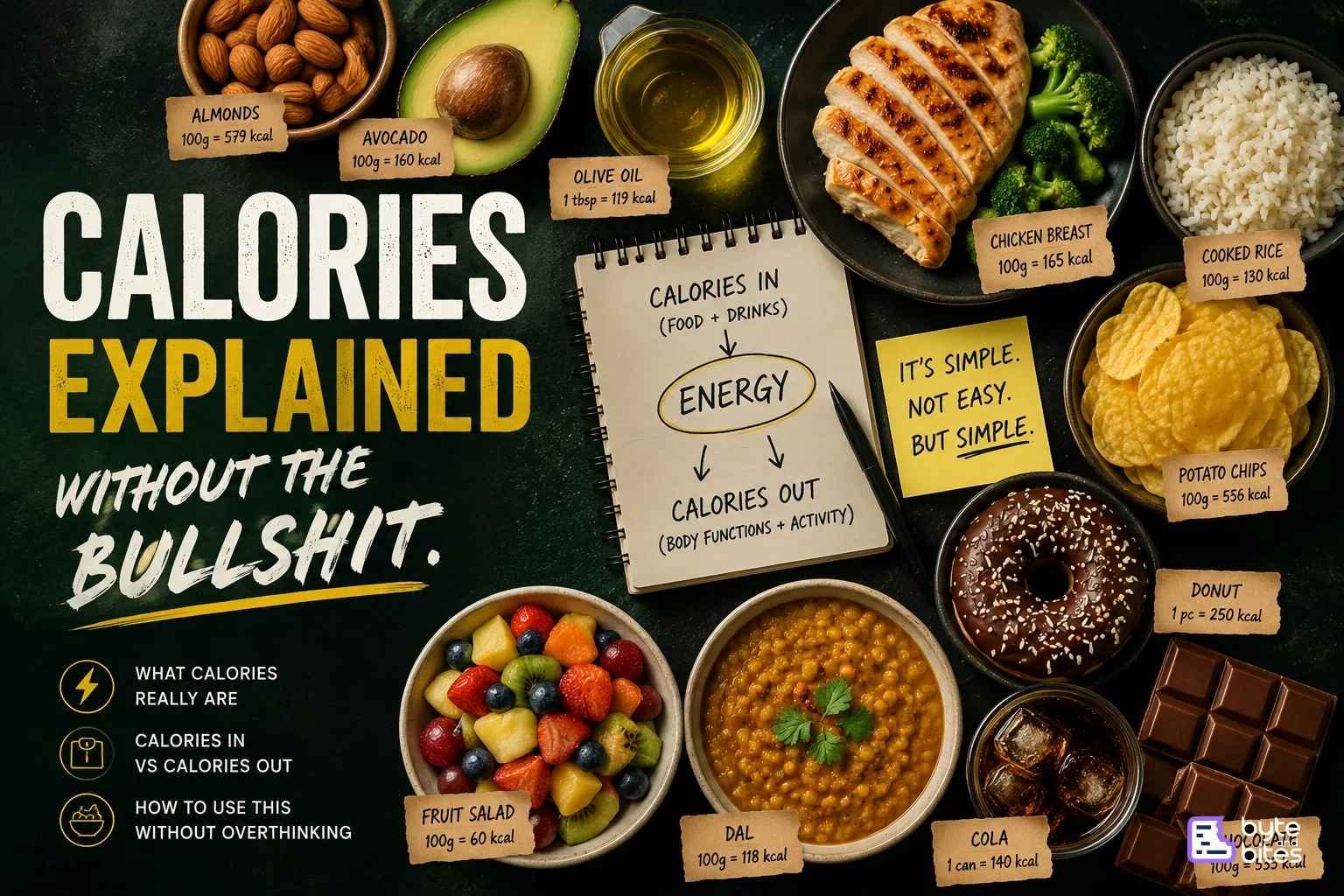
Remember our previous article about calories?
Alcohol matters here too.
Alcohol provides around 7 calories per gram, making it relatively energy-dense. And drinks can contain additional calories from sugar, mixers, cream, or other ingredients.
A cocktail can therefore contain considerably more calories than you might expect.
The bigger issue is that liquid calories can be easy to consume without feeling particularly full.
So if someone is trying to lose weight, alcohol can make maintaining a calorie deficit more difficult.
What About Cancer?
This is probably one of the less discussed effects of alcohol.
Alcohol is an established human carcinogen, and drinking is associated with several types of cancer, including cancers of the breast, liver, mouth, throat, esophagus, and colon and rectum. WHO, Alcohol
Importantly, the risk is not limited to people who drink heavily.
The WHO states that there is no completely risk-free level of alcohol consumption from a health perspective, although most alcohol-related harm occurs with heavy or repeated drinking.
That doesn't mean one drink guarantees a health problem.
It means that, from a health perspective, less alcohol generally means less risk.
So, Is Any Alcohol Safe?
This is where things get nuanced.
Different countries use different definitions of low-risk or moderate drinking. The CDC, for example, defines moderate drinking as up to two drinks per day for men and one for women, while also emphasizing that drinking less is better for health and that not drinking carries the lowest risk.
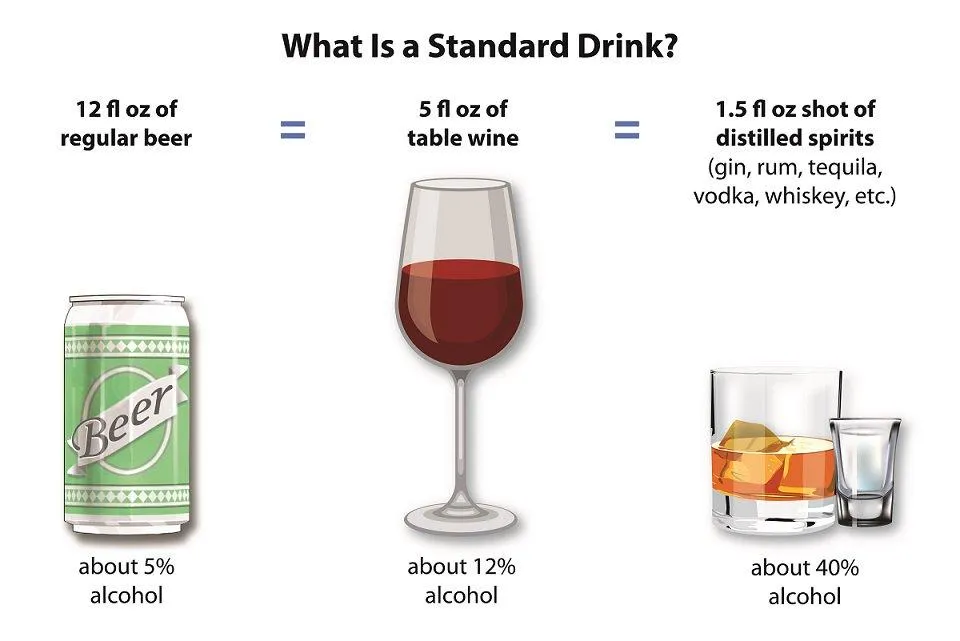
Also, one "drink" does not necessarily mean one glass.
A large beer, strong cocktail, or generous pour of spirits can contain more alcohol than a standard drink.
NIAAA explains that beverage size and alcohol percentage both matter when estimating how much alcohol you actually consumed.
The Bigger Picture
You don't have to think about alcohol as simply "good" or "bad."
The useful question is:
How much are you drinking, how often, and what effect is it having on your life and health?
Drinking less reduces risk compared with drinking more. And if you don't currently drink, health organizations do not recommend starting for potential health benefits. CDC, About Moderate Alcohol Use
For some people, avoiding alcohol completely is especially important, including during pregnancy, with certain medical conditions, or when taking medications that interact with alcohol.
The Simple Takeaway
Alcohol doesn't just affect your liver.
It can affect your:
Brain: judgment, memory, coordination, and mood.
Liver: alcohol metabolism and long-term liver damage.
Heart: blood pressure and heart rhythm.
Sleep: sleep quality and recovery.
Gut: digestion and intestinal health.
Immune system: your body's ability to respond to infections.
Cancer risk: alcohol is linked to several cancers.
The good news is that you don't need to memorize a complicated list.
Just remember:
The less alcohol you drink, the lower your health risk generally is.
And if you choose to drink, understanding what you're actually consuming is a much better starting point than assuming that a glass of wine, a beer, or a cocktail is automatically harmless.
Alcohol may be socially normal.
That doesn't mean your body treats it like water.
Disclaimer: This article is for general education and is not medical advice. Alcohol can interact with medications and medical conditions, and individual risk varies. If you are concerned about your alcohol use or its effects on your health, speak with a qualified healthcare professional.