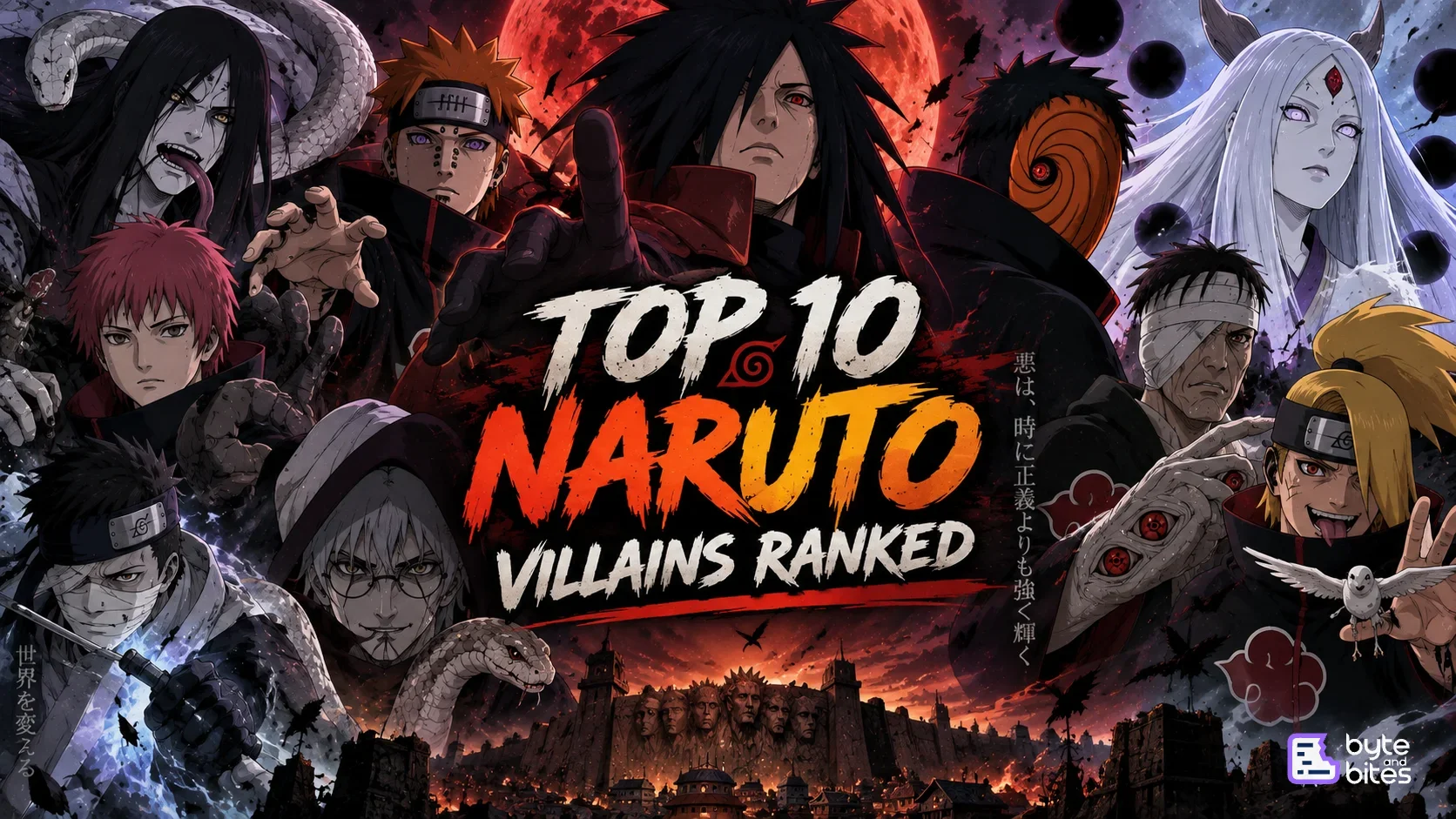
Naruto has never had a shortage of bad guys. Actually, calling some of them "bad guys" doesn't even feel sufficient.
Some were monsters.
Some were victims.
Some genuinely believed they were saving the world.
And a few were just extremely committed to making everyone's life miserable.
What makes Naruto's villains so memorable is that many of them aren't simply evil for the sake of being evil. They have motivations, beliefs, trauma, and completely different ideas about what the world should look like.
So for this list, we're looking at their story impact, abilities, motivations, memorable moments, influence on Naruto, and overall villain factor.
Let's start the countdown.
Major spoilers ahead.
10. Zabuza Momochi
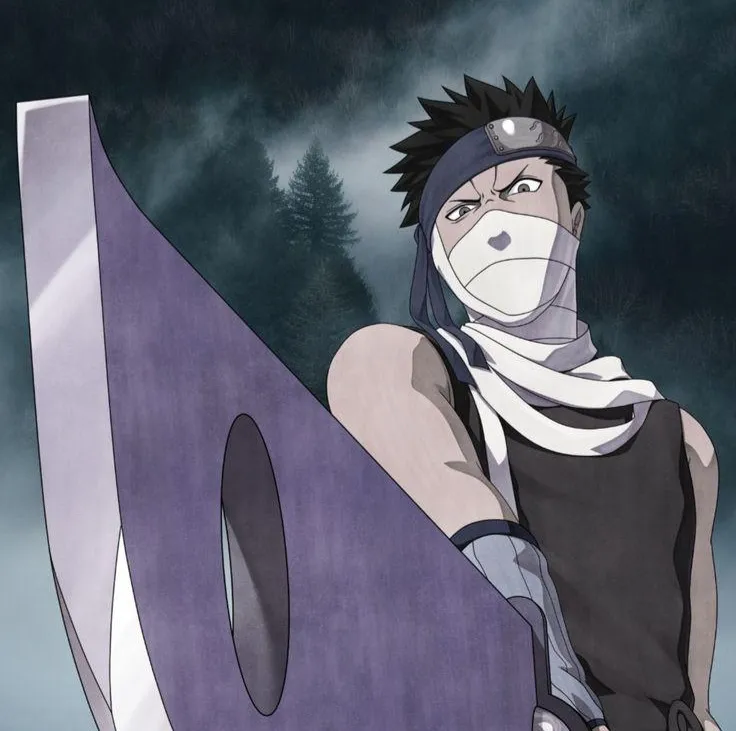
Zabuza was the first major villain Naruto and Team 7 faced, and he immediately showed us that this wasn't going to be a simple children's adventure.
Known as the Demon of the Hidden Mist, Zabuza was an incredibly dangerous swordsman and one of the Seven Ninja Swordsmen of the Mist. His enormous sword, Kubikiribōchō, combined with his silent killing techniques made him a terrifying opponent.
But what made Zabuza memorable wasn't simply his strength.
His relationship with Haku revealed that even the people Naruto considered enemies could have love, loyalty, and emotions hidden beneath their brutal exterior.
His final moments remain one of the most emotional villain endings in the series.
9. Sasori
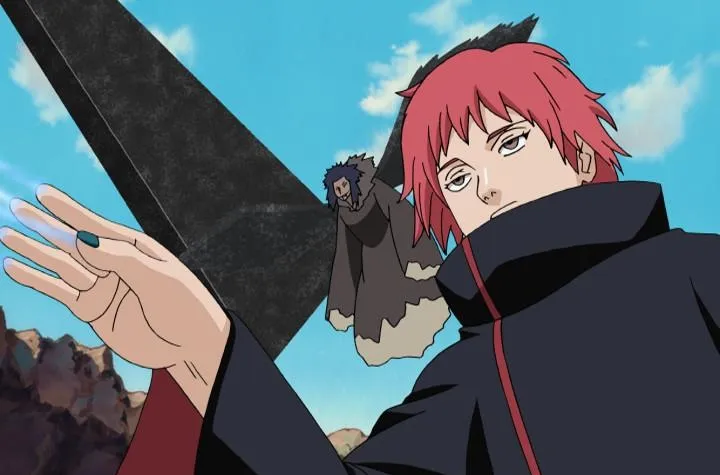
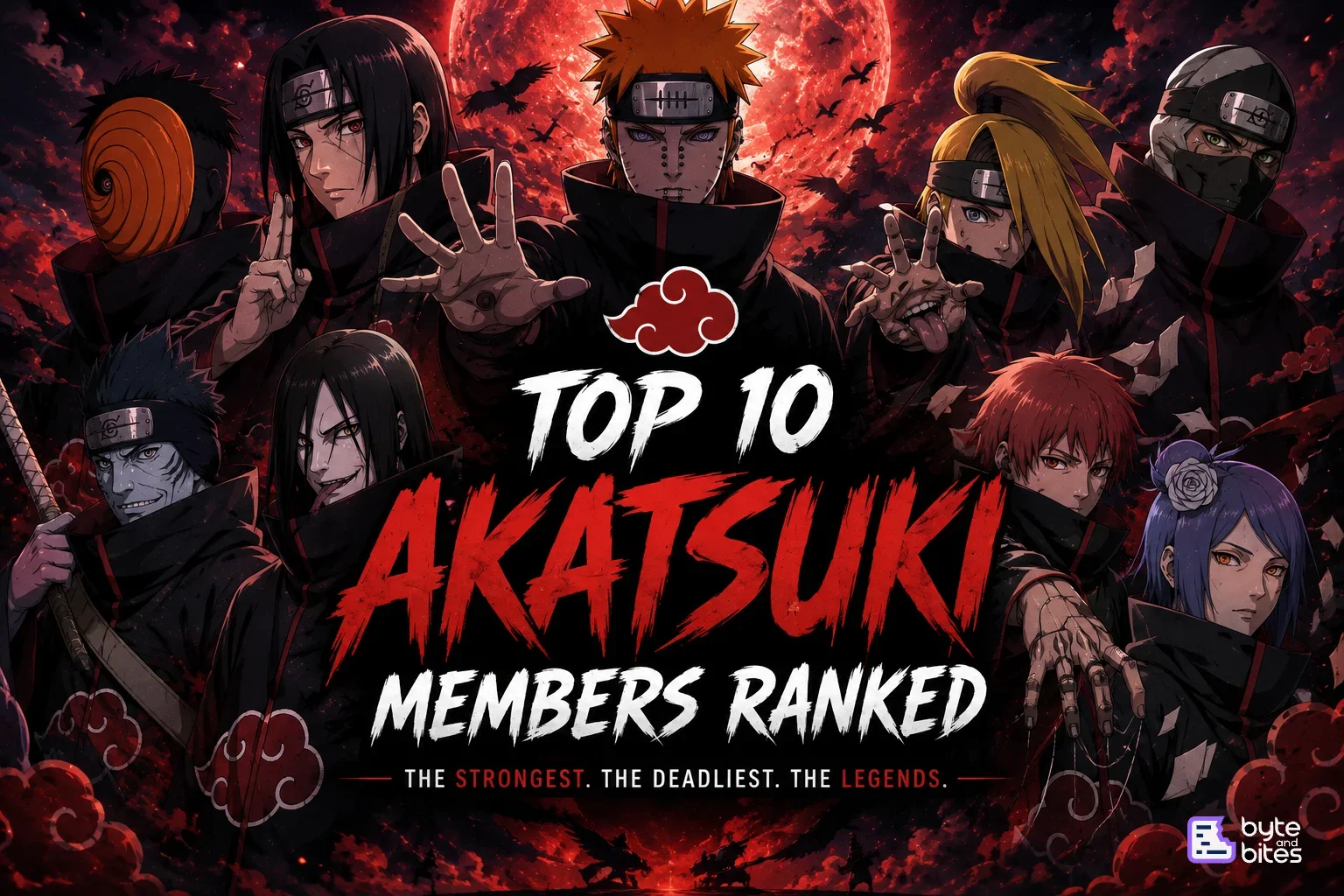
Sasori of the Red Sand turned the art of puppetry into something genuinely terrifying.
The Akatsuki member could transform human bodies into puppets and control an enormous army of them simultaneously. He even turned the Third Kazekage into one of his most powerful puppets, gaining access to Iron Sand.
Sasori's obsession with turning people into permanent creations came from his inability to accept loss and his belief that true art should last forever.
His battle against Sakura and Chiyo was one of the first moments where Sakura truly proved herself as a serious fighter.
And despite having the upper hand, Sasori ultimately allows himself to be defeated by the puppets representing his parents.
8. Kabuto Yakushi
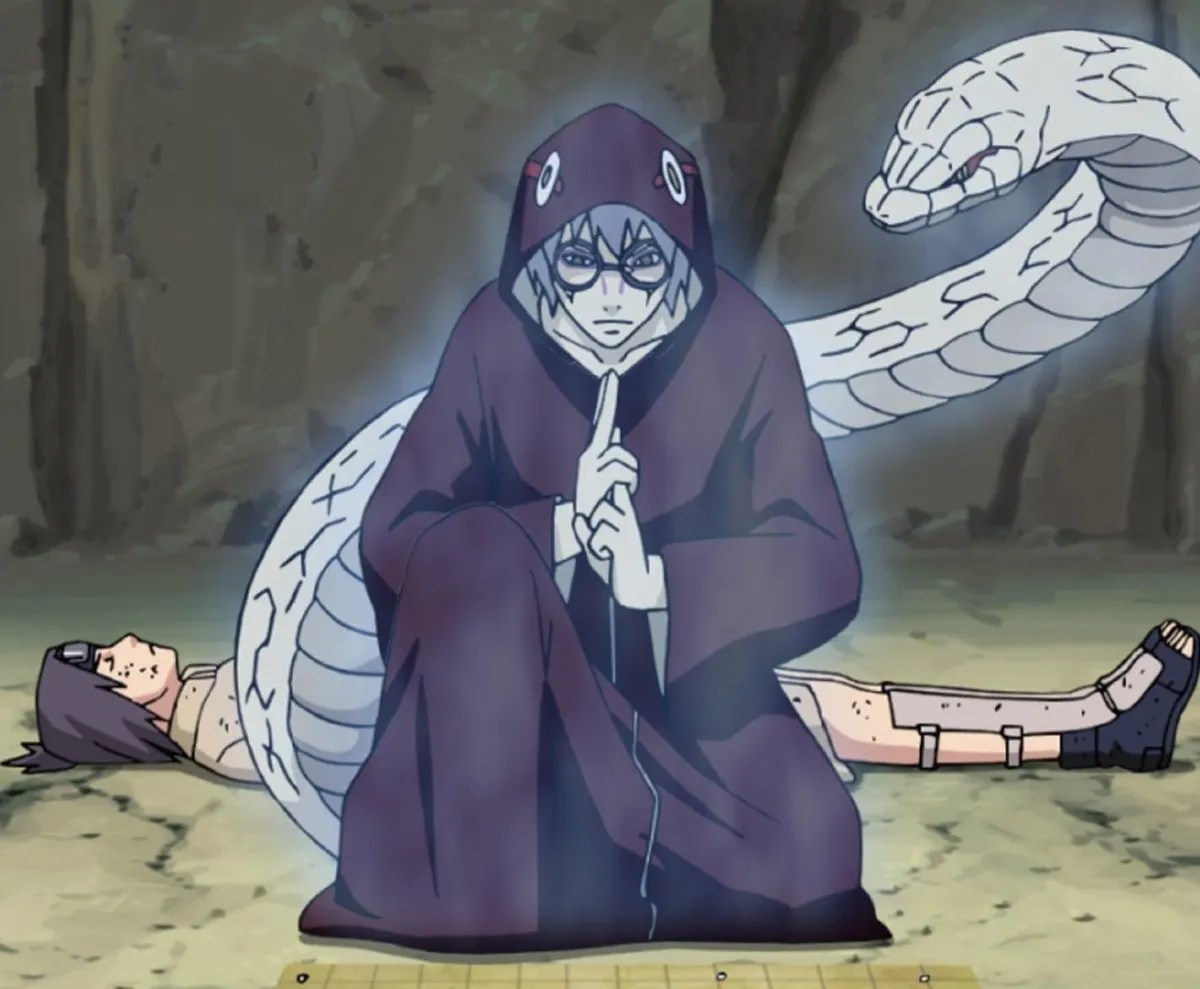
Kabuto started as a seemingly harmless medical ninja who was simply working under Orochimaru. That turned out to be a massive understatement.
Over time, Kabuto becomes increasingly obsessed with discovering his own identity and surpassing his master. He modifies his body using DNA from numerous powerful shinobi and eventually masters Sage Mode.
During the Fourth Great Ninja War, Kabuto becomes responsible for one of the most dangerous abilities on the battlefield: Edo Tensei. He resurrects an enormous army of dead shinobi, including several legendary fighters.
Kabuto eventually becomes so powerful that even Itachi and Sasuke have to work together to stop him.
Not bad for the guy who originally looked like Naruto's suspiciously helpful pharmacist.
7. Danzō Shimura
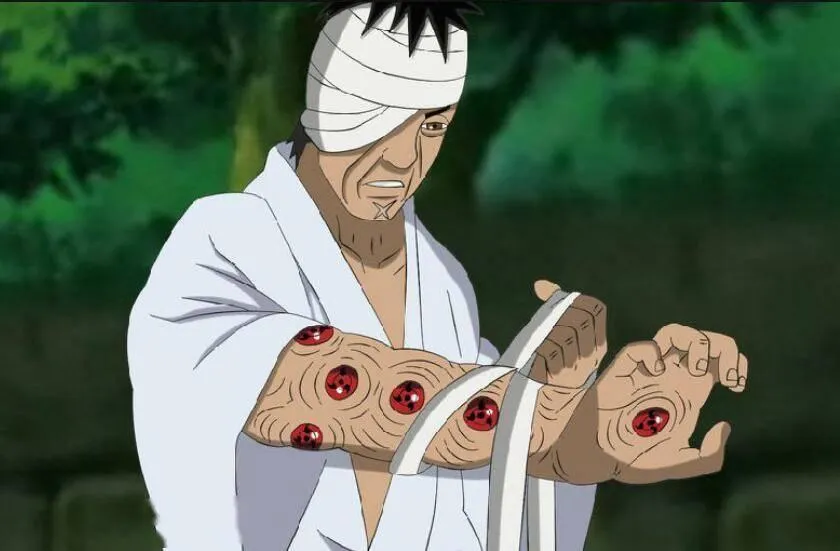
Danzō is one of Naruto's most frustrating villains because he genuinely believed his actions were necessary to protect Konoha.
As the leader of Root, Danzō operated in the shadows and was willing to use assassination, manipulation, and forbidden techniques whenever he believed they benefited the village. His actions played a major role in the Uchiha massacre and indirectly contributed to Sasuke's hatred.
He also implanted multiple Sharingan into his body and used Hashirama cells to repeatedly perform Izanagi.
Danzō wasn't the strongest villain in Naruto, but his political influence and willingness to sacrifice anyone for Konoha make him one of the most consequential antagonists.
6. Deidara
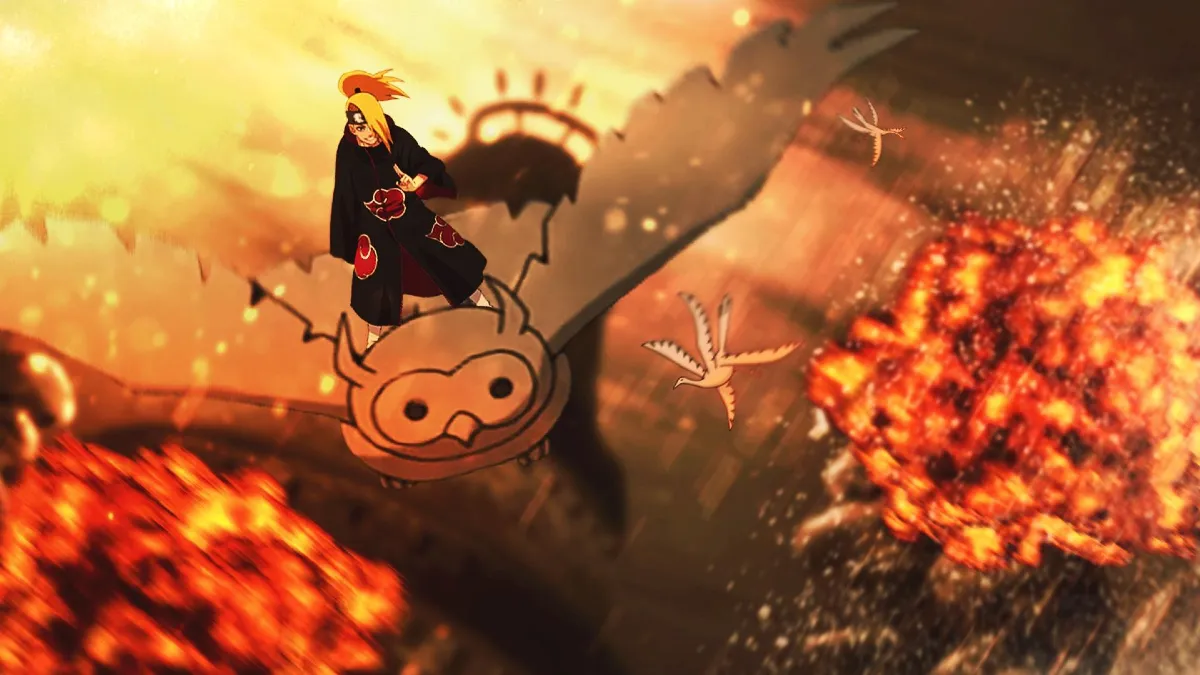
Deidara believed that true art should be something explosive, beautiful, and unforgettable. Fortunately for everyone around him, he had the power to make that philosophy extremely literal.
The Akatsuki member used explosive clay to create everything from tiny insects to enormous birds and terrifying suicide attacks. His battles against Gaara and Sasuke showcase his creativity and ability to adapt under pressure.
Deidara's rivalry with Sasuke was particularly entertaining because his obsession with proving that his explosive art was superior to the Uchiha's visual powers became increasingly personal.
And his final self-destruction?
Peak Deidara.
If nothing else, the man committed completely to the brand.
5. Orochimaru
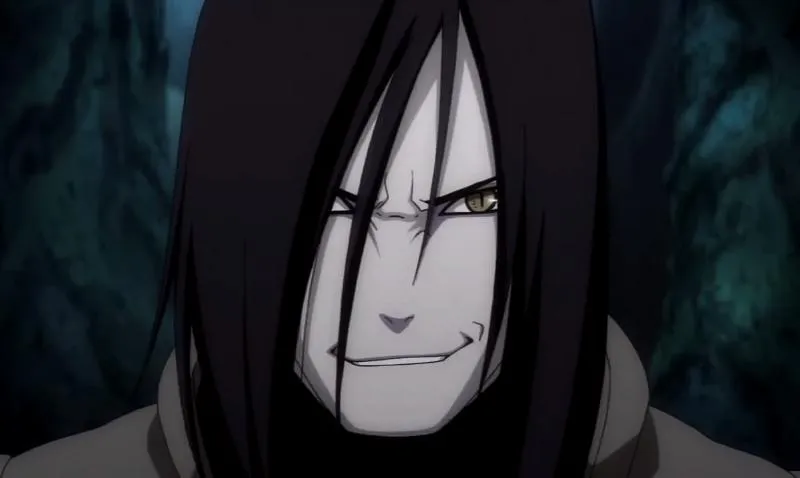
Orochimaru is one of Naruto's most iconic villains and one of the few antagonists who remains relevant for an enormous portion of the story.
His obsession is simple: learn every jutsu and overcome death itself.
That obsession leads him into forbidden experiments, body modification, human experimentation, and the creation of increasingly horrifying techniques.
His attack on Konoha, manipulation of Sasuke, experiments on countless people, and obsession with immortality make him one of the most disturbing villains in the series.
And somehow, Orochimaru eventually becomes less of a villain and more of a bizarrely helpful scientist who occasionally shows up to save the day.
Naruto really does have a strange definition of redemption.
4. Pain
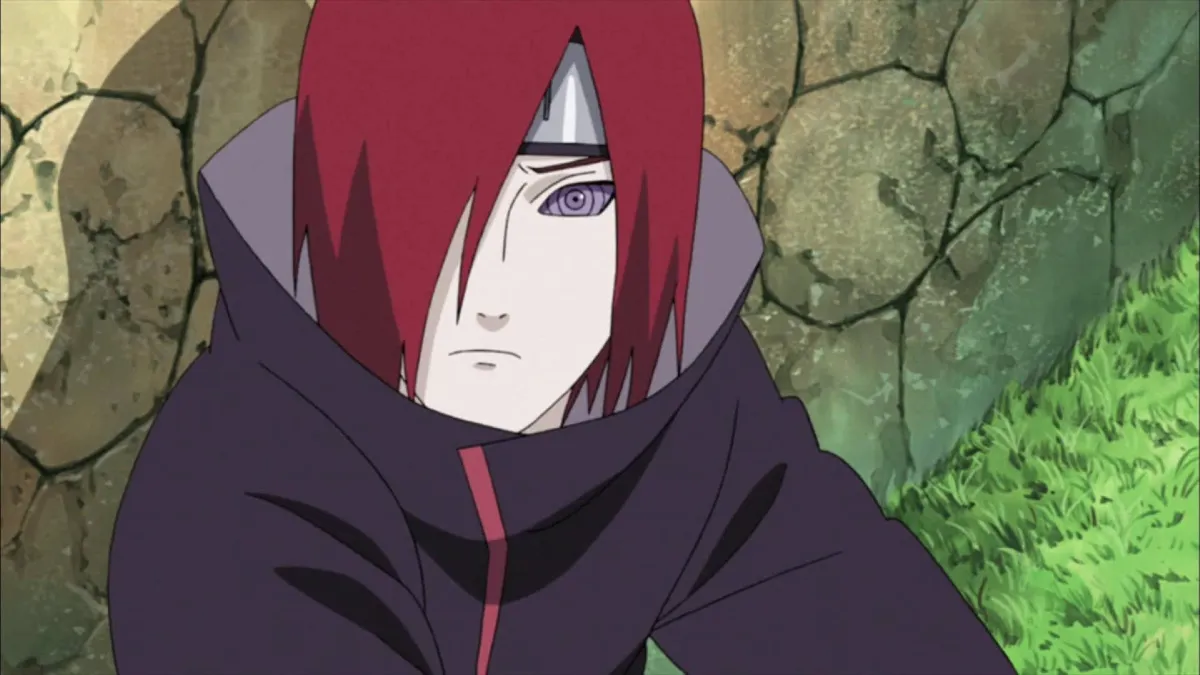
Pain is arguably Naruto's greatest philosophical villain. After experiencing war, betrayal, and unimaginable suffering, Nagato becomes convinced that the only way to create peace is to make the entire world experience the same pain.
Using the Six Paths of Pain, he launches a devastating assault on Konoha and destroys much of the village. His confrontation with Naruto isn't simply a battle. It's an argument.
Pain believes suffering creates understanding. Naruto believes the cycle can be broken without creating more suffering.
Naruto eventually reaches Nagato not through strength, but by understanding the pain that created him.
Few Naruto villains are as closely connected to the series' central themes as Pain.
3. Obito Uchiha
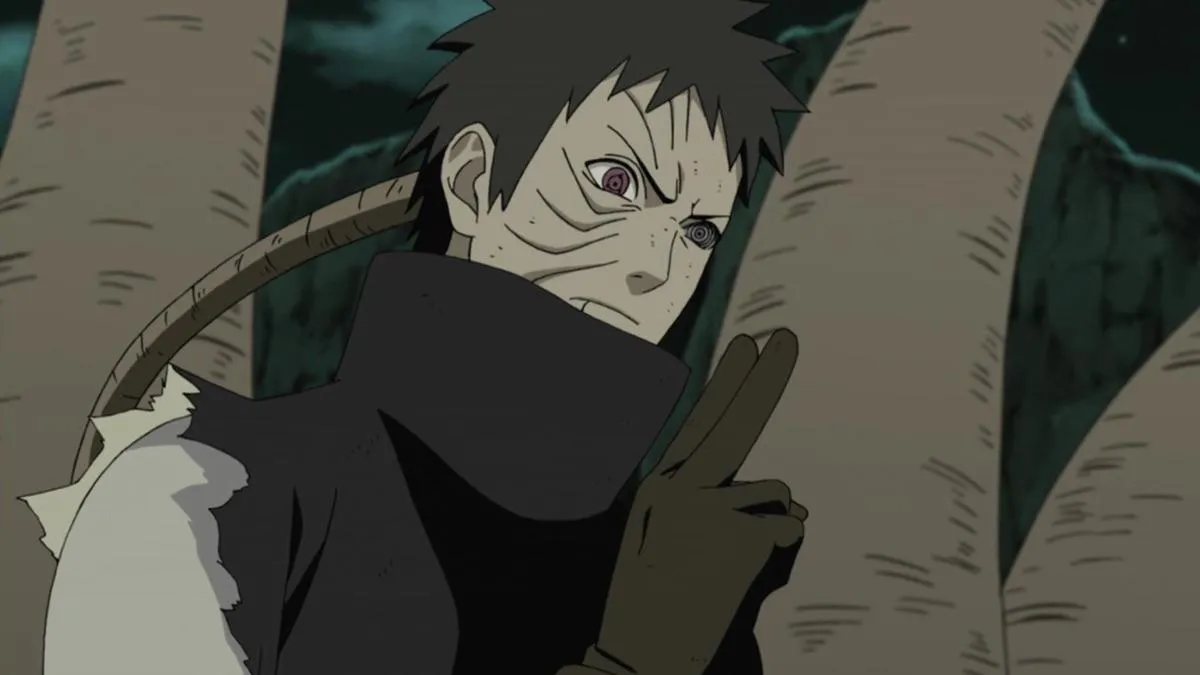
Obito's transformation from a cheerful young shinobi into one of Naruto's biggest villains is one of the darkest character arcs in the series.
Originally a member of Team Minato alongside Kakashi and Rin, Obito was presumed dead before being rescued by Madara.
After witnessing Rin's death, he loses faith in reality and accepts Madara's belief that the world is fundamentally broken.
Using Kamui, Obito becomes one of the most difficult opponents to fight and eventually manipulates the Akatsuki from the shadows. He plays a major role in the Fourth Great Ninja War and becomes the Ten-Tails Jinchūriki. But ultimately, Naruto reminds Obito of the person he used to be. And that is what finally brings him back.
2. Kaguya Ōtsutsuki
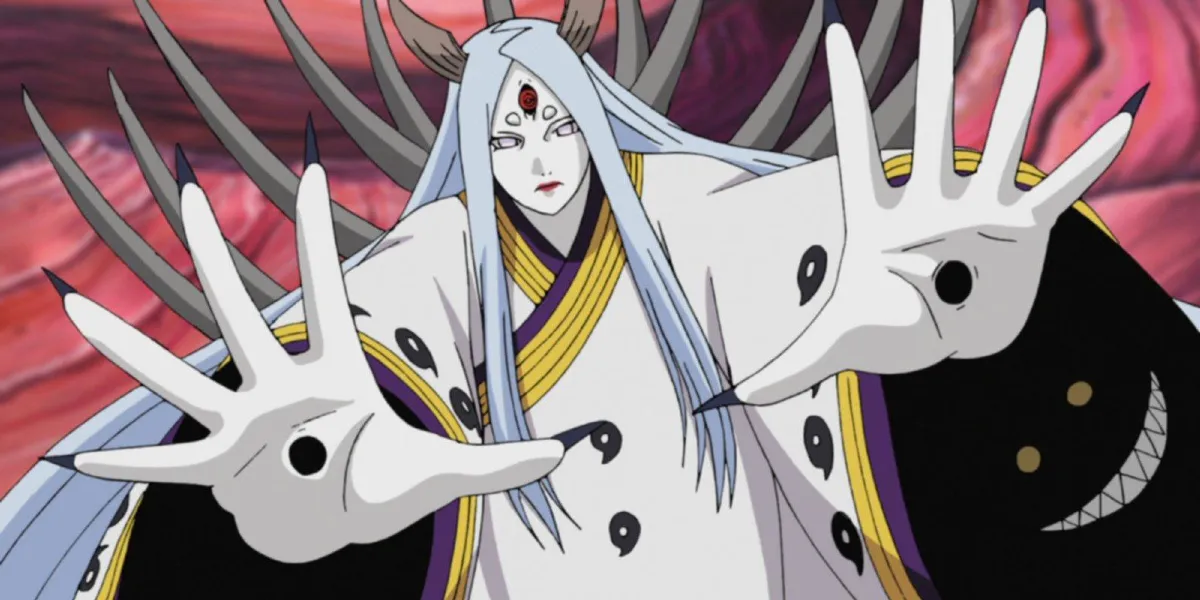
Kaguya is essentially where Naruto's entire chakra system begins.
She arrives on Earth, consumes the God Tree's chakra fruit, and gains extraordinary power. Her abilities include dimension manipulation, enormous chakra reserves, Truth-Seeking Balls, Byakugan, Rinne Sharingan, and several techniques capable of killing opponents instantly.
After being sealed away for centuries, she eventually returns during the Fourth Great Ninja War. Her appearance completely changes the scale of the final battle.
Naruto and Sasuke aren't fighting another powerful shinobi anymore.
They're fighting an ancient being whose power predates the entire shinobi system.
1. Madara Uchiha
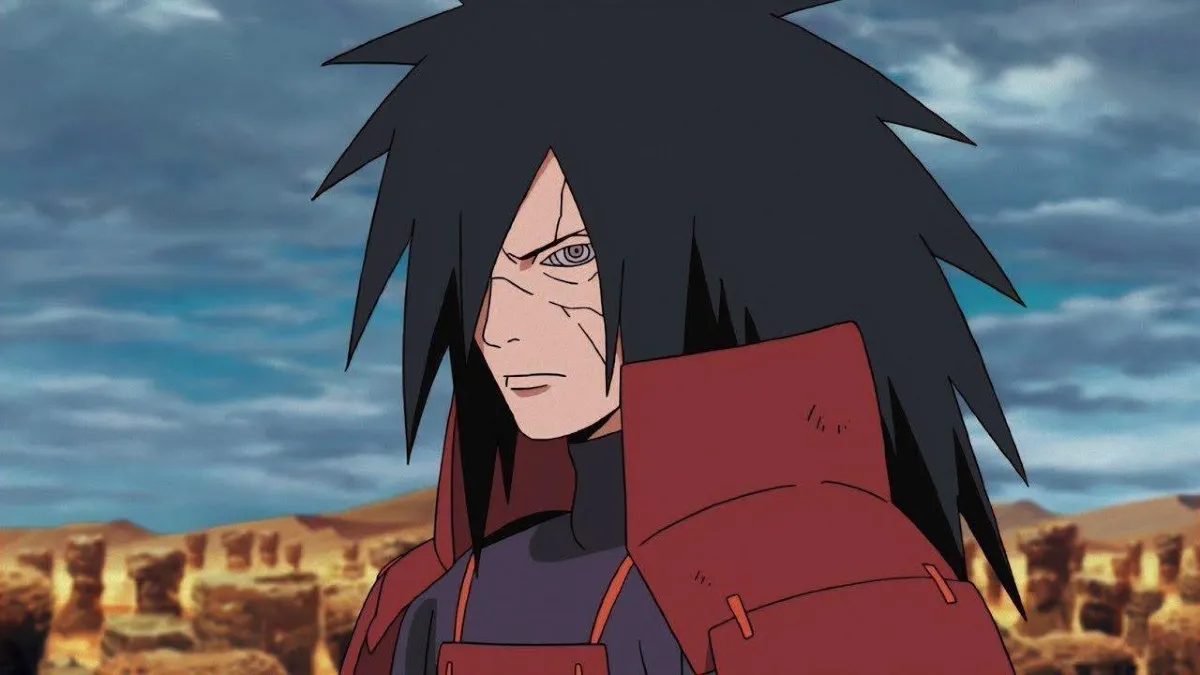
Madara is the villain Naruto spent hundreds of episodes building toward. He was Hashirama's childhood friend, the legendary leader of the Uchiha, the founder of the Akatsuki's original plan, and eventually the mastermind behind the Infinite Tsukuyomi.
Even before reaching his final form, Madara was absurdly powerful.
He could fight the Five Kage, control Kurama, use the Eternal Mangekyō Sharingan, wield the Rinnegan, summon the Demonic Statue, and eventually become the Ten-Tails Jinchūriki.
But what makes Madara truly memorable is his presence. When he appears on the battlefield, everyone immediately understands that the situation has changed.
He isn't simply another villain. He's the legend that every other character has to deal with.
Honorable Mentions
Naruto has enough villains to fill several lists. Hidan, Kakuzu, Kisame, Konan, Black Zetsu, the Fourth Kazekage, Kimimaro, and the Sound Four all deserve recognition.
Hidan deserves a special mention for somehow turning immortality into the most annoying personality trait imaginable.
And while Itachi spent years being presented as a villain, we're leaving him out because the truth behind his actions makes him much more complicated than a conventional antagonist.
Conclusion
Naruto's greatest villains weren't memorable simply because they were powerful. They had beliefs.
Pain wanted peace through suffering. Obito wanted to escape reality. Orochimaru wanted immortality. Madara wanted to create his own version of peace.
And that's what made them so compelling.
But when it comes to the complete package of power, influence, personality, history, and sheer presence, Madara remains one of Naruto's greatest villains.
The man literally walked onto a battlefield and made an entire army question its career choices.